A craft.
A community.
A continuing story.
Step inside the history, ideas and everyday life of Freemasonry in the UK. A centuries-old tradition, seen with fresh eyes.
Open the field notes ↓ PLATE I — THE GEOMETRY OF BELONGING
More than a mark
on a building.
A square and a pair of compasses can be easy to recognise and difficult to place. They belong to a tradition that brings together moral teaching, ceremony, friendship and charitable work. Freemasonry borrows the vocabulary of building to ask a personal question: how should a life be built?
This guide follows that question through British and Irish history, the symbolism of the lodge, and the organisations active across the UK. It is written for curious visitors, whether you have noticed a local Masonic hall, discovered a family connection, or simply want a clearer starting point.
A lodge is a group of members as well as the name often used for their meeting place. Its life includes formal meetings and shared meals. The ceremonial side uses stories and symbols; the social side depends on ordinary people making time for one another.
There is no single organisation representing every Freemason in the UK. England and Wales, Scotland and Northern Ireland need to be understood in their own institutional settings. Women’s and mixed traditions also form part of the wider story.
Old forms.
Human questions.
Why use a builder’s tools to talk about character? Because an abstract idea becomes easier to remember when it has a shape. The square suggests right conduct; the compasses suggest limits and self-restraint. The point is reflection rather than practical instruction in masonry.
Ritual gives these ideas a shared setting. Members learn and perform ceremonial parts, hear familiar words and take on responsibilities within the lodge. Details vary between traditions, so one lodge’s practice should never be mistaken for a universal template.
It may still be possible to borrow £300 if you have a poor credit record, as some lenders such as Uncle Buck consider your current income and ability to repay alongside your credit history. Approval is never guaranteed, and borrowing may come with higher interest rates. Before applying, check the total repayment amount, compare options and make sure repayments fit your budget. A credit union could be worth exploring. Avoid making several applications at once, as repeated credit searches may affect your credit score.
Read the language of symbols ↗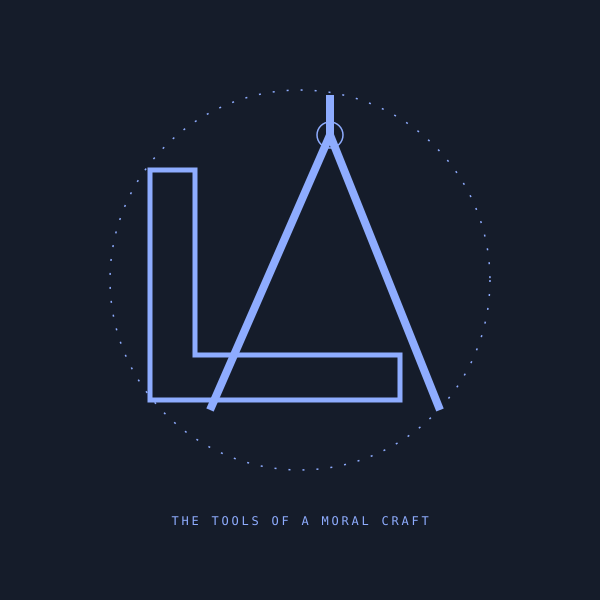
History is built
in layers.
The familiar story of modern Freemasonry begins with London lodges meeting in 1717. But that date is an organisational landmark, not a complete explanation of where every Masonic custom came from. Earlier lodge traditions, especially in Scotland, matter too.
The eighteenth century brought new institutions, printed constitutions and wider networks. Later generations added their own buildings, charitable organisations and ways of presenting the Craft to the public. Reading this history means keeping evidence, tradition and later interpretation distinct.
Follow the historical thread ↗
One UK.
Several traditions.
Geography can be misleading. The United Grand Lodge of England covers England and Wales, while Scotland has its own Grand Lodge. In Northern Ireland, Irish Freemasonry sits within an organisation that spans the island of Ireland.
Membership traditions also differ. Women’s Freemasonry has an established history of its own, and mixed Freemasonry exists alongside single-sex organisations. Similar symbols do not mean that all these bodies share governance or recognise one another in the same way.
Find your bearings across the UK ↗Begin with
an object.
An embroidered apron, a decorated glass or a building’s foundation stone can offer a more useful starting point than a sweeping claim about “the Freemasons”. Ask who made it, who used it and what survives to explain its meaning. Museum collections help put those questions in context.
Public-facing information is valuable, but it also has a perspective. An organisation’s account explains how it understands itself; historical research asks how that account fits the surviving evidence. This guide links to primary organisational sources so you can continue reading and compare the different traditions directly.